
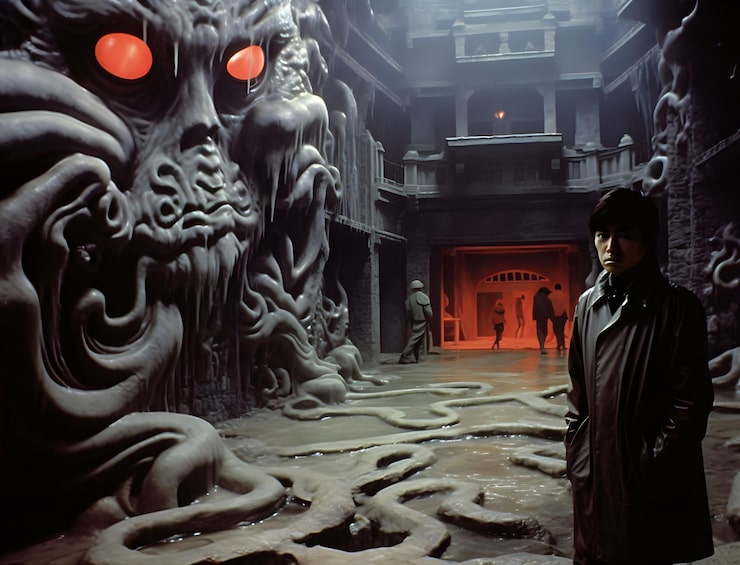
Whispers in the wind, shadows behind sliding paper doors, strange footprints in the snow this is the world where yokai were born. If you have ever wondered whether these so-called Japanese demons are pure evil spirits or something more complex, you are not alone. Many people approach the topic with images shaped by horror films or anime battles. The reality is richer, more nuanced, and deeply rooted in centuries of Japanese belief.
Yokai are not simply monsters meant to terrify. They embody fears, moral lessons, unexplained natural events, and even humor. Their presence in folklore helped communities interpret illness, disaster, or sudden fortune at a time when science could not provide answers. Exploring yokai means entering a symbolic universe where the supernatural reflects human experience. Understanding them requires looking beyond the label of “demon” and examining their cultural, spiritual, and psychological significance.
What exactly are yokai in Japanese folklore?
The word yokai can be translated loosely as “strange apparition” or “mysterious phenomenon.” Unlike the Western concept of demons, yokai do not belong to a single moral category. Some are dangerous, others mischievous, some protective, and a few even benevolent. They appear in classical Japanese texts dating back to the Heian period, where scholars attempted to classify unexplained events under spiritual causes.
Yokai functioned as narrative tools. When villagers encountered crop failure, sudden storms, or unexplained illness, attributing the event to a yokai gave shape to uncertainty. This symbolic explanation reduced chaos. Fear became structured, almost manageable. In that sense, yokai were less about terror and more about meaning.
Over time, these beings took physical form through illustrated scrolls and woodblock prints. Artists depicted creatures with elongated necks, animal features, distorted faces, or hybrid bodies. Their visual diversity reflects the diversity of human imagination. The supernatural here acts like a mirror, reflecting anxieties, desires, and social boundaries.
Are yokai really demons or something else?
Calling yokai “Japanese demons” simplifies a far more complex system of belief. In Western theology, a demon implies malevolence and moral corruption. Yokai operate differently. Some resemble spirits of nature, others are transformed humans, animals with spiritual awareness, or even everyday objects that gained life after existing for a hundred years. The concept overlaps with Shinto spirituality, where natural elements hold sacred energy. A river, a mountain, or an old tree may house a spirit. When that spirit behaves unpredictably, people interpret it as a yokai manifestation. This fluid boundary between sacred and frightening explains why yokai cannot be reduced to evil entities.
Modern fans who discover yokai through anime often explore collectibles inspired by these creatures. Many enthusiasts browse platforms like anime figures store to find representations of supernatural characters rooted in folklore. That interest highlights how yokai continue to evolve, moving from ancient scrolls to contemporary shelves while preserving their symbolic core.
What are the most famous types of yokai?
Japanese folklore contains hundreds of yokai, each with distinct traits. Some of the most recognized include:
-
Kappa
-
Tengu
-
Oni
-
Yuki-onna
-
Rokurokubi
The Kappa inhabits rivers and ponds, often portrayed as mischievous yet bound by strict rules of politeness. The Tengu, with birdlike features, embodies both martial skill and spiritual pride. The Oni resembles a Western demon more closely, appearing as a horned giant associated with punishment and chaos. Yuki-onna, the snow woman, symbolizes beauty and lethal cold, emerging during winter storms. Rokurokubi stretches her neck at night, blending the ordinary and the grotesque.
These figures are not random monsters. Each embodies specific cultural fears or lessons. Kappa stories often warn children about water safety. Oni tales emphasize moral consequences. Yuki-onna reflects nature’s indifferent power. The variety demonstrates that yokai serve educational and symbolic roles.
How yokai influence anime and pop culture today?
Contemporary anime has transformed yokai into dynamic characters. Series like Demon Slayer reinterpret spiritual threats with dramatic flair. Collectors searching for Demon Slayer figures often encounter designs inspired indirectly by traditional yokai aesthetics. Horns, exaggerated expressions, supernatural abilities these visual codes trace back to folklore. The transformation from village legend to global entertainment shows the adaptability of yokai narratives. They move across centuries without losing relevance. Instead of representing unexplained disease or crop failure, they now express internal struggles, trauma, ambition, and resilience. The supernatural becomes psychological metaphor.
Yokai remain compelling because they exist between fear and fascination. They are not distant relics. They breathe through manga panels, animated scenes, and cultural festivals across Japan. Their imagery persists because it connects deeply to universal emotions.
Why do yokai still captivate modern audiences?
Curiosity about yokai often begins with fear. That fear gradually transforms into appreciation once their cultural layers become visible. Yokai stories acknowledge that life contains uncertainty. Rather than deny it, folklore gives it a face. The unknown becomes narrative. In psychological terms, yokai externalize anxiety. A shadow in the forest becomes a creature with a name. Giving it identity reduces its power. That process feels timeless. Even today, people look for symbolic explanations when confronting uncertainty. Yokai endure because they adapt. They shift shape across eras like mist rolling through mountains. Their core remains intact: they represent the boundary between the visible and invisible, the rational and mysterious.
The deeper meaning behind these Japanese spirits
Yokai are not merely frightening Japanese demons. They are cultural symbols shaped by centuries of belief, art, and storytelling. Understanding them reveals how communities once interpreted the unknown and how those interpretations still influence modern media. When you look at a yokai, you are not just seeing a monster you are seeing a reflection of human imagination confronting mystery. What once lived in candlelit tales now thrives in global culture. And perhaps that enduring presence says as much about us as it does about the spirits themselves.