
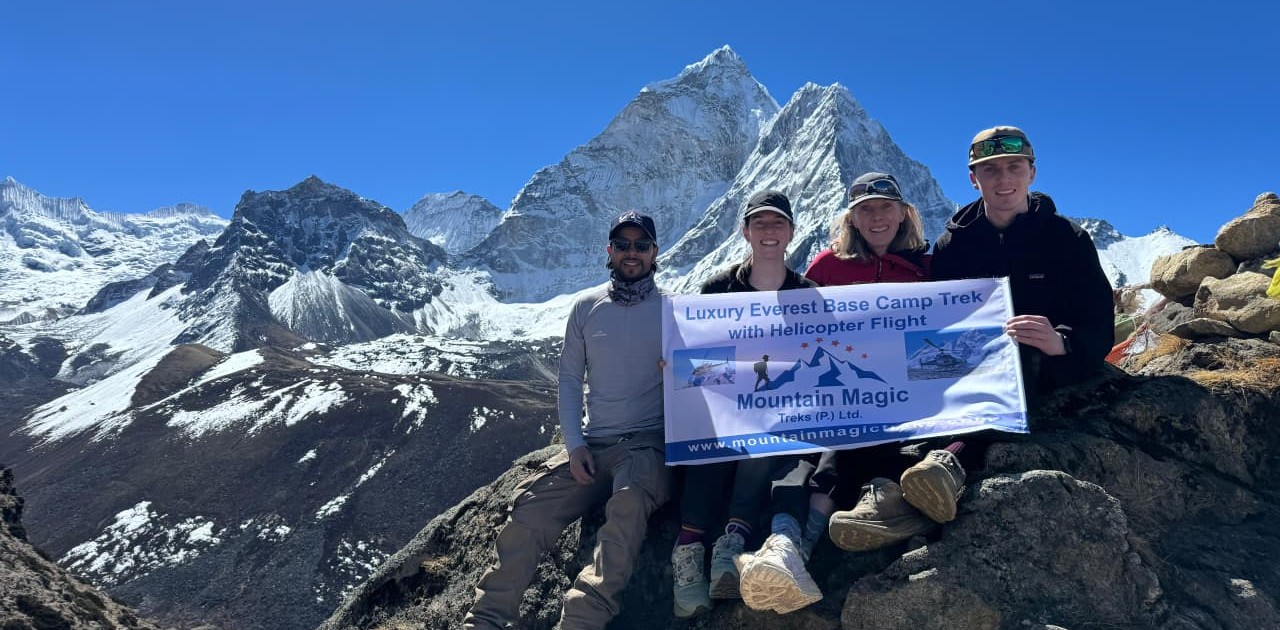
Planning your first Himalayan adventure can feel exciting and a little confusing. There are many things to think about, from walking hours and packing to altitude and weather.
The Everest Base Camp Trek with helicopter return offers a special way to explore the Everest region. You walk through famous mountain villages, experience the local culture, reach Everest Base Camp, and then enjoy a helicopter journey back toward Kathmandu.
Why This Trek Is Different
Many people know Everest because of its height, but the journey to Base Camp is about much more than seeing the world’s tallest mountain.
The trail takes you through quiet villages, suspension bridges, forests, rocky paths, and wide mountain valleys. Each day brings a different view and a different part of the local lifestyle.
The helicopter return adds another exciting element. Instead of walking the same trail back, you get to see the Himalayan landscape from the air.
What Your First Day May Feel Like
The beginning of the trek can feel completely different from your normal routine. After reaching the Everest region, the mountain atmosphere quickly replaces the busy feeling of city life.
Your first walking day is a chance to settle into the trail. You may meet local porters, pass small settlements, and notice how the landscape changes as you move forward.
Do Not Rush at the Start
It can be tempting to walk quickly when you feel fresh. However, saving energy for the days ahead is a much better approach.
Walk at a comfortable pace and follow the planned itinerary. Your body needs time to adjust as the elevation increases.
Getting Used to Mountain Life
Life in the Everest region is simple. Tea houses become your place to eat, sleep, relax, and meet other trekkers.
You may spend your evening talking with fellow travelers, enjoying a warm meal, or simply looking outside at the mountains.
This slower routine is one of the things that makes trekking special.
Understanding Altitude
Altitude is one of the biggest differences between an ordinary hike and an Everest trek. The air becomes thinner as you climb, so your body has to work harder.
That is why acclimatization days are important. They give your body time to adjust instead of gaining altitude too quickly.
Listen to Your Body
Headaches, unusual tiredness, dizziness, or other altitude-related symptoms should not be ignored.
Tell your guide if you feel unwell. Your guide can help decide whether you should rest, slow down, or change the plan.
What to Keep in Your Day Bag
You do not need to carry everything with you while walking. Your main luggage can be handled separately, while your day bag should contain the things you may need during the trail.
Consider carrying:
-
Water
-
Snacks
-
Sunglasses
-
Sunscreen
-
A light jacket
-
Gloves
-
Personal medicines
-
Phone or camera
-
Small personal items
A lighter day bag can make long walking hours much more comfortable.
Enjoy the Small Moments
It is easy to focus only on reaching Everest Base Camp. But some of the best memories may come from unexpected moments along the way.
It could be drinking tea in a mountain village, crossing a suspension bridge, watching clouds move around a peak, or sharing stories with other trekkers.
The Everest Base Camp Trek with helicopter return gives you plenty of opportunities to enjoy these simple experiences.
Prepare for Changing Weather
Mountain weather can change quickly. A clear morning does not always mean the entire day will stay clear.
Good layers are useful because they allow you to adjust your clothing throughout the day. Keep important items protected from rain, wind, and cold.
The helicopter portion of the journey is also dependent on weather and flight conditions. A little flexibility can help you handle unexpected changes without unnecessary stress.
The Helicopter Journey Home
After completing the trekking section, the helicopter return provides a completely different experience.
From the air, the route you walked looks completely different. Valleys, villages, trails, and mountain slopes become part of one huge landscape.
For many travelers, this flight becomes one of the final highlights of the trip.
How to Make Your Experience Better
A successful trek is not only about physical preparation. Your attitude matters too.
Keep realistic expectations, respect local people and traditions, protect the environment, and give yourself enough time to enjoy the journey.
Most importantly, do not compare your walking speed with other trekkers. Everyone handles altitude and long days differently.
Final Thoughts
The Everest Base Camp Trek with helicopter return is not simply a way to reach a famous destination. It is a journey filled with mountain villages, changing landscapes, local culture, physical challenges, and unforgettable views.
For first-time trekkers, preparation can make a big difference. Pack wisely, walk steadily, respect the altitude, and stay flexible when conditions change.
Most importantly, enjoy the journey instead of thinking only about the finish line. The trail itself is a major part of what makes an Everest adventure worth remembering.
Frequently Asked Questions
Is the Everest Base Camp Trek with helicopter return good for first-time trekkers?
Yes. Beginners can take this trek with proper preparation, reasonable fitness, and guidance. You should be comfortable with several hours of walking each day.
How should I prepare before the trek?
Regular walking, hiking, stair climbing, and basic cardio can help. Start preparing several weeks before the trip rather than waiting until the last few days.
What should I do if I feel tired?
Rest when needed and tell your guide how you are feeling. Maintaining a steady pace is usually better than pushing yourself too hard.
Is the helicopter return guaranteed?
Helicopter operations depend on weather, visibility, and flight conditions. Delays or changes can happen in the mountains, so travelers should keep some flexibility.
Is the helicopter ride only about saving time?
No. It also gives you a new perspective of the Everest region. After experiencing the mountains on foot, seeing them from above can be a memorable ending.