
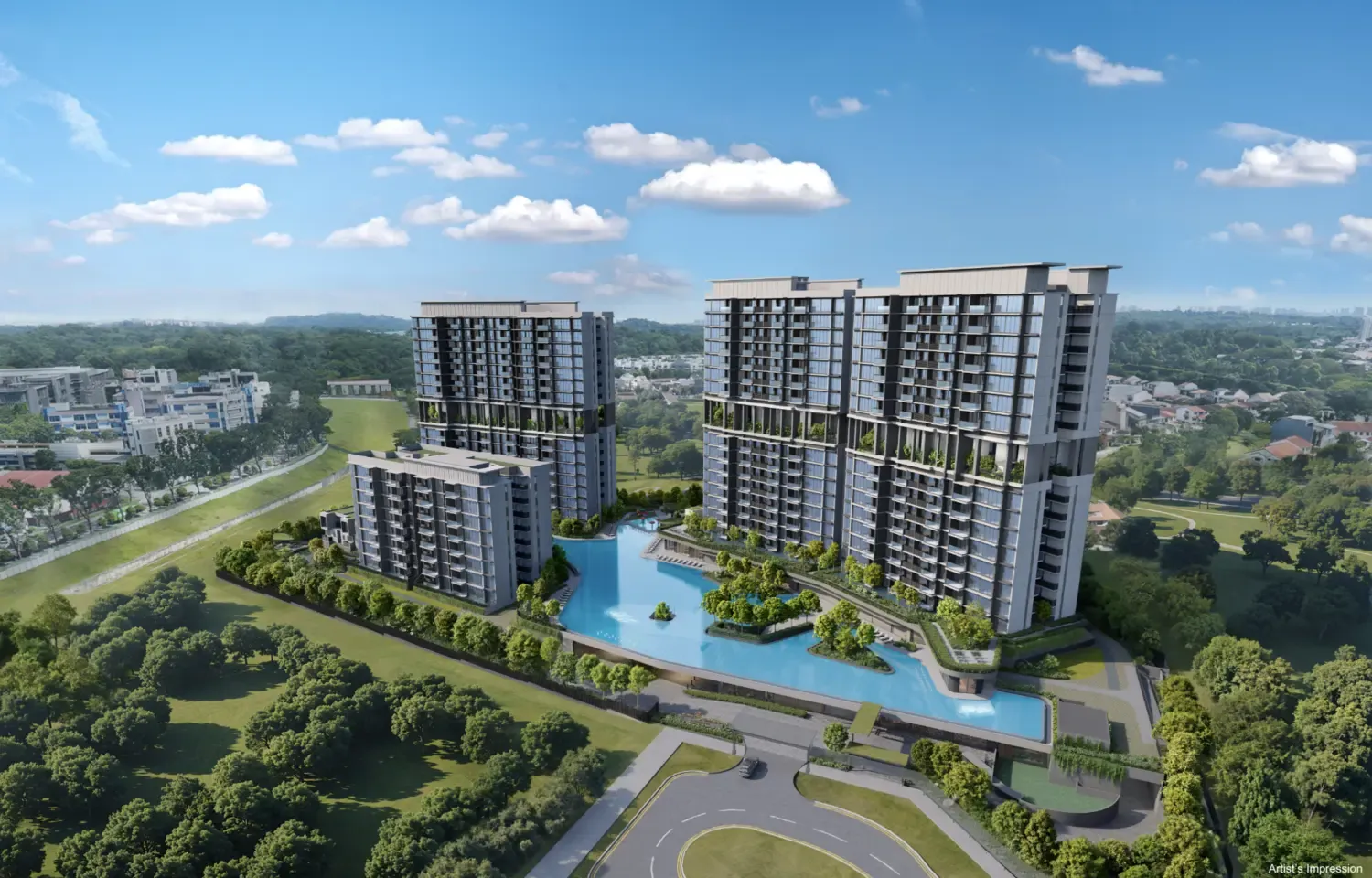
Purchasing a private property in Singapore requires careful financial planning, especially with rising tax rates. Many savvy buyers now secure premium residential assets, such as a luxury unit at Lucerne Grand, through a property trust. This legal arrangement allows parents to purchase real estate for their underage children, effectively planning their wealth distribution early. While this strategy offers distinct tax benefits, it also involves complex legal frameworks and strict financing rules. Understanding how a trust works ensures you make an informed decision and protect your family’s financial future. This guide breaks down the essential steps, costs, and legalities of buying a condominium under a trust structure.
Understanding the Structure of a Property Trust
A property trust is a legal arrangement where a settlor appoints a trustee to hold a property’s legal title for the benefit of a beneficiary. In Singapore, the most common type used for purchasing residential property is a bare trust. Under a bare trust, the beneficiary holds the ultimate beneficial interest in the property, while the trustee merely manages the legal ownership until the beneficiary reaches the legal age of 21. Parents frequently use this structure to buy private properties for their minor children, ensuring the asset is safely held for their future.
When you set up a trust, you must clearly define the roles. The trustee, usually the parent, holds the legal title but cannot claim ownership of the asset or use it for personal financial gain. The beneficiary, who is the child, holds the equitable interest. This means any rental income or capital gains generated from the property belong solely to the beneficiary. It is crucial to draft a robust trust deed with a qualified legal professional to prevent future disputes and ensure the Inland Revenue Authority of Singapore (IRAS) recognizes the trust as genuine and legally binding.
Tax Implications and ABSD Regulations
One major reason buyers consider a trust is to manage Additional Buyer’s Stamp Duty (ABSD). Currently, Singapore citizens buying their first residential property pay 0% ABSD. If a parent already owns a home and wants to buy another property, purchasing it in their own name incurs a high ABSD rate. By setting up a trust for a child who does not own any property, the transaction can theoretically qualify for the child’s ABSD rate. For instance, acquiring a unit at Lucerne Grand or a spacious apartment at the Thomson Reserve under a child’s name can result in significant tax savings.
However, recent regulations require trustees to pay a 65% ABSD (Trust) upfront when purchasing a property under a trust. Trustees can subsequently apply for a refund from IRAS if certain conditions are met. To qualify for this refund, the trust must have a named, identifiable beneficial owner, and the beneficial ownership must vest in the beneficiary immediately upon the trust’s creation. This means the transfer of ownership cannot be conditional on future events. Choosing a property requires calculating these upfront cash flows carefully to ensure you have sufficient liquidity.
Financing Limitations and Cash Requirements
Securing a mortgage for a property held under a trust is highly challenging. In Singapore, financial institutions do not grant housing loans to trustees because minors cannot be held legally liable for debt contracts. Consequently, you must fund the entire purchase price of the property using cash. This means if you target an exclusive boutique project like the Thomson Reserve, you must prepare to pay millions of dollars upfront without relying on bank leverage.
Additionally, you cannot use Central Provident Fund (CPF) savings to purchase a property under a trust. Since CPF funds belong to the parent and the property belongs to the child beneficiary, the authorities do not permit CPF usage for trust acquisitions. This strict rule applies to both the initial down payment and the monthly payments, as well as the initial buyer’s stamp duty and ABSD (Trust). Prospective buyers must assess their liquid net worth carefully before committing to a trust purchase. If your cash reserves are limited, buying a property directly under your own name with a standard mortgage might be a more viable alternative, despite the higher ABSD costs.
Choosing the Right Property for Your Trust
Selecting the right asset is vital because a trust property is a long-term investment that your child will eventually inherit. You should focus on properties with strong capital appreciation potential and steady rental yields. A modern, master-planned development like Lucerne Grand offers excellent growth prospects due to its proximity to transit networks, reputable schools, and upcoming commercial hubs. Such developments appeal to young families and professionals, ensuring a steady stream of rental income that can be credited directly to the trust’s bank account for your child’s future use.
On the other hand, some investors prefer established developments in prime districts, such as the Thomson Reserve. Freehold properties in prestigious residential enclaves hold their value exceptionally well over decades, making them excellent vehicles for multigenerational wealth preservation. When choosing between these two paths, consider the timeline of your trust. If your child is very young, a freehold option provides long-term peace of mind. Conversely, a new launch allows you to benefit from progressive payment schemes and early-stage capital appreciation as the surrounding neighborhood develops. Both options serve different strategic goals depending on your family’s investment horizon.
Conclusion

Buying a condominium under a property trust is an excellent way to secure your child’s financial future while managing your tax liabilities. This strategy requires substantial liquid capital and a clear understanding of legal frameworks. Because of the strict upfront cash requirements and the 65% ABSD (Trust) payment, you must plan your finances meticulously. Consulting with experienced legal and financial advisors is essential to ensure your trust deed is drafted correctly and complies with IRAS guidelines. With the right preparation, a property trust can serve as a powerful tool for legacy planning and wealth preservation, helping you build a lasting real estate portfolio for the next generation.