
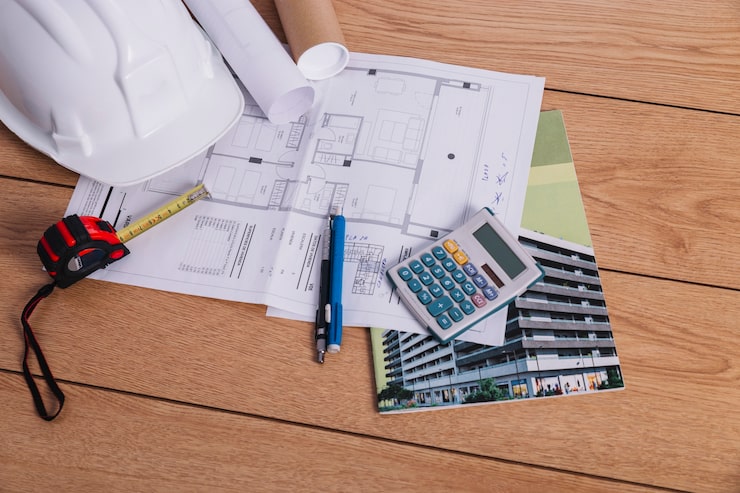
It takes a considerable time to prepare a construction estimate due to multiple reasons. It is a sequential process that demands attention to every step. A rushed estimate is never reliable because it will lead to over-budgeting and delays. Various factors combine to provide a full-fledged answer to this question.
It is difficult for busy contractors to evaluate the project expense by considering all the factors. They have to manage thousands of dollars for every aspect of the project. That is why they do not take risks and get expert Construction Cost Estimating Services to save their budget. The expert cost estimators are trained to work on every project type and deliver precise cost estimates to the clients.
The Short Answer: It Depends on Project Size
However, the short answer to the timeline required to prepare a construction estimate is that it depends on the size and complexity of the project.
|
Project Type |
Estimated Completion Time |
|
Small residential jobs (minor repairs, etc.) |
24–72 hours |
|
Medium-sized projects (HVAC, roof, etc.) |
3–10 business days |
|
Large or complex projects (whole-house remodels, etc.) |
2–4 weeks or more |
|
Full permit-ready projects |
65–86 days |
These are the base figures that can go up or lower according to the project’s needs.
What Actually Happens During the Estimation Process?
A construction estimate process is detailed and consists of multiple steps. The contractor and estimators invest serious time and effort into every step.
Step 1. Site Visit and Project Scoping
Before working on the numbers, an estimator must visit the site to understand the whole picture of the project. This involves working on the existing conditions and clarifying the client’s expectations.
Step 2. Quantity Takeoffs
This step measures and calculates the exact numbers of materials required. From concrete to the finishes, everything is counted according to the needs. For large projects, multiple estimators work on the same project to deliver accurate estimates.
Step 3. Material Pricing
Material expenses must be verified with the current supplier quotes. This step has become one of the most time-consuming parts of the process. Lumber quotations are just valid for a few days due to current price fluctuations.
For reliable results, expert Construction Estimating Services are developed on the basis of updated material costs on a near-weekly basis.
Step 4. Subcontractor Quotes
Most general contractors rely on subcontractors for specialized trades such as:
● Electrical
● Plumbing
● HVAC
● Roofing
Step 5. Labor Cost Calculation
The cost of skilled labor has increased due to current labor shortages. However, the estimators must consider the current wage rate. They must also look into the labor availability in their specific region.
Step 6. Overhead and Contingencies
A reputable contractor will always build in overhead costs. The estimates will also include a reasonable profit margin and contingency allowances for unexpected expenses.
MFactors That Affect the Estimation Timeline
● Project size and complexity in larger projects require more research and coordination
● Completeness of design drawings. A detailed blueprint speeds up the process
● When trades are booked solid, getting their pricing takes longer
● Shortages and supply disruptions remain a challenge.
● If local building departments raise concerns during the review phase. Then, extra time will be required to solve them
● In the Northeast, weather delays and complex urban permits extend timelines. In the Midwest, building codes and good contractor availability mean faster turnarounds
● Limiting requests to 3–4 contractors produces better-quality estimates.
When Should You Be Concerned About Delays?
Some delays are the biggest problems for any project to complete.
Here’s what might show you a problem:
● An estimate taking more than 4 weeks for a straightforward residential project with complete plans
● A contractor who won’t provide a written estimate or avoids committing to one
● A quote that arrives instantly with no site visit — speed without due diligence is a warning sign
● Significant discrepancies between bids with no clear explanation
Tips for Speeding Up the Estimation Process
As a client, you need to be active in getting your estimate quickly and more accurately because:
● When you are looking for a contractor, it is a good idea to provide complete and detailed drawings from the start.
● This means you will not have to wait long to get a final answer. You should also tell the contractors what you think you can spend. Sharing your budget with them helps them adjust estimates.
● Answer every question when contractors ask for more information.
● Try to ask a few contractors to give you a bid. Limit your list to 3 or 4 contractors.
● It is also an idea to stick with your original plan. If you make changes to your project in the middle of the estimate process, it can take a lot longer to get everything done.
Conclusion
A well-prepared construction estimate is one of the most important documents in any building project. It sets the financial foundation of the project. Plus, it reduces the risk of surprises during the project. Most estimates take 3–10 business days for standard projects. The larger or more complex work extends to several weeks. However, quality estimating requires time and attention to every detail. Be patient and complete your projects by avoiding mistakes. It will help you reduce the overall time to prepare an estimate.