
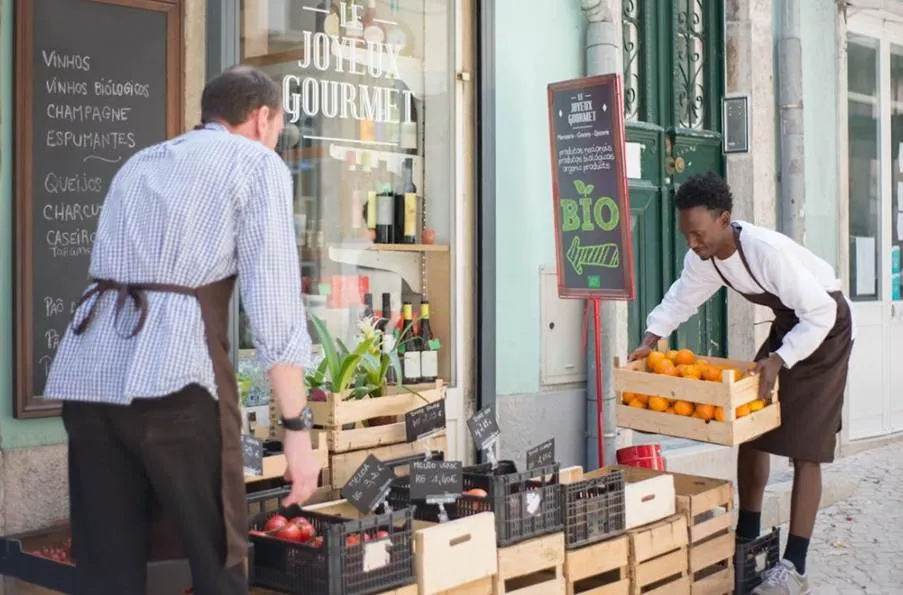
A decade ago, “locally sourced” was often treated like a nice extra. A menu phrase. A chalkboard talking point. Something that made a restaurant sound thoughtful without necessarily changing how the business operated.
That’s changed.
Today, local sourcing sits much closer to the centre of hospitality strategy. Rising supply chain costs, growing consumer awareness, unpredictable global logistics, and a stronger focus on sustainability have pushed restaurants, bars, and hospitality operators to ask bigger questions: Where does our food come from? Who grows it? And perhaps most importantly-does sourcing closer to home actually make commercial sense?
Short answer? Often, yes.
But the business case for local sourcing goes beyond fresh tomatoes or artisan bread. It touches brand identity, customer loyalty, menu flexibility, operational resilience, and long-term profitability.
And some of the smartest hospitality businesses in the UK are already proving it.
Take Santos + Co, for example. Built around Portuguese cuisine in the UK, craft cocktails, and small plates inspired by Algarve flavours, the concept works because it balances heritage with relevance. The restaurant celebrates Portuguese culinary traditions while pairing them with locally sourced British produce, creating a menu that feels both rooted and current.
That’s not just a culinary decision. It’s a business one.
By sourcing ingredients closer to home-whether that’s fresh seafood, seasonal vegetables, artisan cheeses, or locally distilled spirits-restaurants like Santos + Co create tighter supplier relationships, improve product consistency, and reduce the operational risks that often come with long international supply chains.
And customers notice.
Why Diners Care More Than Ever About Origin
Consumer behaviour has shifted-fast.
According to market trends from hospitality and retail analysts, younger diners especially want transparency. They want to know where their ingredients come from, how products are grown, and whether businesses support local communities.
This isn’t just an urban trend either. It’s happening everywhere-from independent cafés in market towns to destination restaurants in major cities.
A friend who manages a small bistro in Sussex told me something interesting last year. After switching to local farm eggs and dairy, nobody asked about the price increase. What people did ask was, “Where’s this cheese from?” or “Who makes this butter?”
That curiosity matters.
When diners feel connected to the source of their food, the meal becomes more than a transaction. It becomes a story. And stories build loyalty.
Better Supply Chains Mean Better Business Decisions
Let’s talk operations.
Global sourcing has its advantages. Certain ingredients simply can’t be grown locally, and international trade keeps menus diverse. But over the past few years-especially after pandemic-era disruptions-many hospitality businesses learned an uncomfortable lesson: distant supply chains can be fragile.
A delayed shipment doesn’t just affect one dish. It can throw off prep schedules, menu consistency, staff workflow, and customer satisfaction.
Local sourcing reduces that exposure.
When chefs work with nearby producers, communication becomes faster. Deliveries are often more flexible. Adjustments can happen in real time. If one ingredient becomes unavailable, the relationship between supplier and kitchen often makes adaptation easier.
That kind of flexibility matters more than ever.
A key takeaway is this: local sourcing doesn’t remove risk entirely-but it often makes risk easier to manage.
Freshness Isn’t Just About Taste-It Impacts Margins
Yes, local ingredients often taste better. That’s the obvious benefit.
But freshness affects business too.
Shorter transport times can mean longer shelf life once ingredients reach the kitchen. That reduces spoilage. Reduced spoilage means less waste. Less waste protects margins.
And in hospitality, margins matter.
Vegetables picked in the morning and delivered that afternoon behave differently in service than produce that’s travelled hundreds of miles. Herbs hold their structure. Seafood performs better. Dairy keeps its integrity.
Chefs notice it. Front-of-house teams notice it. Diners definitely notice it.
And when quality becomes more consistent, customer reviews often follow.
Local Identity Builds Stronger Brand Positioning
Here’s where things get interesting.
Local sourcing doesn’t just improve operations. It shapes identity.
In a crowded hospitality market, restaurants need clear positioning. They need to answer one simple question:
Why should someone choose you?
That answer often lives in the sourcing story.
Midway through that conversation, places like Musica become especially relevant.
Known as a live music venue in Bracknell, restaurant and cocktail bar, and community-led dining space, Musica isn’t built around one cuisine. Instead, it focuses on atmosphere, comfort food, and social energy. But even in that format, local sourcing becomes a strategic advantage.
Why?
Because venues built around shared plates, craft drinks, and repeat visits depend heavily on consistency. Guests returning for live music, cocktails, and casual dining in Bracknell want food that feels dependable-and fresh sourcing supports that.
Even more importantly, Musica’s community-driven model naturally aligns with supporting local musicians, local suppliers, and regional producers. That creates a business ecosystem where customers feel part of something bigger than a meal.
And in hospitality, community often converts into repeat revenue.
Seasonal Menus Keep Kitchens Creative
One of the smartest side effects of local sourcing? Seasonal discipline.
When chefs work with local produce, menus naturally evolve.
Spring asparagus. Summer tomatoes. Autumn squash. Winter root vegetables.
That seasonal rhythm keeps kitchens creative while giving customers a reason to return.
A chef once told me, “If your menu never changes, your regulars eventually stop noticing it.”
That stuck with me.
Seasonal local sourcing creates built-in reasons for menu updates, specials boards, wine pairings, and social media storytelling. It gives marketing teams fresh content. It gives chefs creative momentum. And it keeps regular diners engaged.
From a business perspective, that’s gold.
Supporting Local Economies Creates Long-Term Value
Not every benefit shows up on a spreadsheet immediately.
Some benefits build slowly.
When restaurants buy from nearby farms, bakers, brewers, fishermen, or producers, money stays within local economies. Relationships deepen. Reputation grows.
Eventually, word spreads.
Suppliers recommend you. Customers mention your commitment. Local press takes interest. Partnerships form.
That kind of reputation can’t be bought with paid ads alone.
It’s earned.
And increasingly, consumers are rewarding businesses that make those choices visible.
But Let’s Be Balanced-Local Sourcing Isn’t Always Simple
Of course, local sourcing isn’t effortless.
Costs can be higher. Supply can be seasonal. Volumes may be inconsistent. Smaller producers don’t always have the same infrastructure as national distributors.
That’s real.
Some restaurants blend local and international sourcing to stay commercially viable-and honestly, that’s often the smartest approach.
The goal isn’t purity. It’s strategy.
Local sourcing works best when it supports the concept, strengthens operations, and makes sense for the customer experience.
Not every ingredient needs to come from five miles away.
But the ingredients that define your identity? Those often should.
Local Sourcing in Global Cuisine
Interestingly, some of the strongest examples of local sourcing come from restaurants serving international food.
Take Iford Tandoori in Bournemouth. Known for Indian takeaway in Bournemouth, fresh curry delivery, and Indian dining in Iford, the restaurant shows how global flavours and local sourcing can work side by side.
Traditional Indian cooking depends heavily on spice layering, balance, and freshness. While spices may come from global origins, ingredients like onions, dairy, herbs, tomatoes, and meats often benefit enormously from being sourced locally.
That combination allows restaurants like Iford Tandoori to stay authentic while delivering consistency, freshness, and operational efficiency.
And for customers ordering a late-night curry or dining in with family, that consistency matters just as much as flavour.
Sometimes more.
The Numbers Behind the Philosophy
At its core, local sourcing works because it aligns three business priorities:
Quality – fresher ingredients often produce stronger dishes.
Storytelling – customers connect with transparent sourcing.
Resilience – shorter supply chains often create more operational control.
When those three areas align, businesses gain something powerful: differentiation.
And in today’s hospitality market, differentiation isn’t optional.
It’s survival.
Final Thoughts: Why Local Sourcing Is More Than a Trend
Local sourcing isn’t just about ethics. It isn’t just about flavour either.
It’s about building a business that feels relevant, adaptable, and connected to the people it serves.
Whether it’s Portuguese small plates paired with British produce, live music dining built around community energy, or Indian cuisine strengthened by fresh local ingredients, the principle stays the same.
Great hospitality starts with great choices.
And increasingly, some of the smartest choices are being made closer to home.