
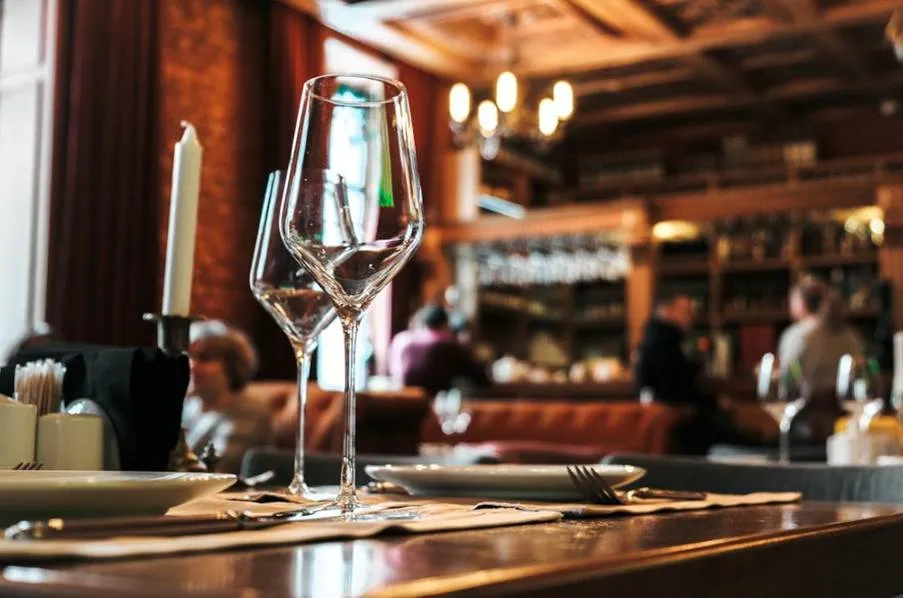
Walk into any restaurant and you’ll form an opinion within seconds. Not after the first bite. Not even after the menu lands on your table. It happens earlier-when the door opens, when someone acknowledges you, when the room feels settled rather than rushed.
These early signals are subtle. Easy to miss if you’re distracted. But together, they tell you something important: whether the place is well managed.
Because good restaurant management rarely announces itself. It shows up in the small details-the kind that don’t demand attention but quietly shape your entire experience.
So what should you look for? And how do these details separate a smooth operation from one that’s just getting by?
First Impressions: The Room Tells You Everything
Start with the entrance.
Is someone aware you’ve arrived? Not hovering-but present. A quick nod, a “we’ll be right with you,” even eye contact. These aren’t grand gestures. They’re signs of coordination.
Well-managed restaurants understand flow. They know when guests are arriving, when tables are turning, when pressure is building. You feel it immediately.
Lighting plays a role too. It sounds minor, but it matters. If the lighting is consistent-not too harsh, not too dim-it suggests someone has thought about the environment. Chairs aligned properly, tables reset quickly but neatly, music at a level where conversation still works-these are all decisions, not accidents.
I once walked into a restaurant where everything looked fine at first glance. Then I noticed three tables waiting to be cleared while staff moved past them. No urgency. No system. That small delay changed how the whole place felt.
Compare that to a space where movement is purposeful. Plates leave the table quickly. Surfaces are reset without fuss. It creates a rhythm-and that rhythm builds trust.
Energy on the Floor: Calm, Not Chaos
A busy restaurant doesn’t have to feel chaotic. In fact, the best ones rarely do.
Watch how staff move. Are they rushing in a way that feels reactive? Or are they moving with intention? There’s a difference.
Good management creates structure. Teams know their roles. Communication is clear. You’ll often see small signals-subtle hand gestures, quick check-ins between staff, a manager scanning the room without interrupting the flow.
Early in the evening, you might not notice it. But when things get busy, these systems show themselves.
This is where places like Madam Lola’s stand out, particularly if you’re looking for a Brighton restaurant with atmosphere or a lively dining spot near St George’s Road. There’s energy, yes-but it feels guided. Staff engage with guests while keeping service moving, and the room maintains its character without tipping into disorder.
That balance-between vibrancy and control-is rarely accidental. It’s built through management that understands both people and pace.
The Menu: Clarity Over Complexity
Menus reveal more than just food choices. They reveal thinking.
A well-managed restaurant doesn’t overwhelm you with options. Instead, it presents a menu that feels focused. Clear sections.
Logical flow. Descriptions that help without overexplaining.
Interestingly, researchers studying consumer behaviour often highlight how decision fatigue affects satisfaction. When choices become excessive, enjoyment tends to drop. That’s not a flaw in diners-it’s human nature.
So when you see a menu that’s tight, seasonal, and coherent, it usually signals a kitchen and management team working in sync.
Look for consistency in language too. If one dish is described in detail while another is vague, it suggests a lack of cohesion. But when every item feels equally considered, that’s a good sign.
Timing: The Invisible Skill
Timing is one of the hardest things to get right in a restaurant-and one of the easiest to feel when it’s off.
You shouldn’t have to chase service. Nor should you feel rushed.
Water arrives soon after you sit. Orders are taken at the right moment-not too quickly, not too late. Courses follow naturally. There’s space between them, but not so much that you lose momentum.
It sounds simple. It isn’t.
Timing requires coordination between front of house and kitchen. It requires awareness. And above all, it requires management that prioritises the guest experience over pure speed.
Attention Without Interruption
Good service walks a fine line. It’s present-but never intrusive.
Staff notice when your glass is empty. They check in-but at natural pauses. They respond quickly when needed, then step back.
This level of awareness comes from training, but also from culture. Teams that feel supported tend to deliver better service. They’re more confident. More attentive. Less reactive.
You can often sense this within minutes. There’s a quiet confidence in how things run.
Consistency Is Everything
A strong start means little if the experience drops halfway through.
This is where consistency matters.
Plates should arrive at the same standard throughout service. Not just visually, but in temperature, portion, and presentation. If one dish shines and the next feels rushed, something isn’t aligned behind the scenes.
Consider how structured dining experiences handle this.
On The Countess of Evesham, for example, the format itself supports consistency. If you’re exploring a River Avon dining cruise or a Stratford-upon-Avon dinner experience, you’ll notice how service and kitchen timing are built around the flow of the journey. A three-course meal isn’t just served-it’s paced alongside the movement of the river, creating a steady, reliable rhythm.
That kind of consistency doesn’t happen by chance. It reflects planning, communication, and a clear understanding of guest expectations.
Cleanliness: The Quiet Standard
Cleanliness isn’t just about hygiene-it’s about discipline.
Glasses are polished. Cutlery is aligned. Floors are maintained even during busy periods. Restrooms stay stocked and tidy.
These are small tasks, but they require systems. Someone needs to check, recheck, and follow through.
Interestingly, diners often use cleanliness as a proxy for everything else. If the visible areas are well kept, it builds confidence in what’s happening behind the scenes.
And that confidence shapes how you experience the meal.
Problem Handling: The True Test
No restaurant runs perfectly all the time. Orders get delayed. Mistakes happen.
What matters is how the team responds.
Does someone take ownership quickly? Is the issue resolved without friction? Do staff remain composed?
A well-managed restaurant doesn’t aim for perfection-it aims for recovery. It understands that handling issues well can actually strengthen the guest experience.
I once watched a manager calmly handle a delayed order by updating the table before they even asked. No apologies overdone. No excuses. Just clarity and a quick solution. The table stayed relaxed-and even ordered dessert.
That’s management in action.
The Final Moments: How You Leave Matters
The last impression often lingers the longest.
Is the bill handled smoothly? Are you thanked as you leave? Does the exit feel as considered as the arrival?
These details close the loop.
In places like Violas-especially if you’re searching for a Covent Garden restaurant for brunch or dinner or a relaxed dining spot in central London-the experience often ends on the same note it began: calm, attentive, and well-paced. You’re not rushed out, but you’re also not left waiting unnecessarily.
That sense of completion matters. It leaves you with a clear impression of the entire experience.
A Simple Way to Read a Restaurant
If you want a quick framework, keep this in mind:
-
Notice the welcome
-
Watch the movement of staff
-
Scan the menu structure
-
Pay attention to timing
-
Look for consistency
-
Observe how issues are handled
-
Reflect on how the experience ends
Each of these moments tells you something. Together, they give you a full picture.
Final Thoughts: The Details That Stay With You
A well-managed restaurant doesn’t need to prove itself loudly. It shows you, quietly, through a series of small, deliberate choices.
A glance at the door. A well-timed dish. A calm room during a busy service. These are the details that shape how you feel-and how you remember the meal.
Notably, diners rarely recall every ingredient on a plate. But they remember how the evening flowed. They remember whether things felt easy, considered, and enjoyable.
That’s what management really delivers.
So next time you sit down to eat, look beyond the obvious. Pay attention to the small things. Because more often than not, that’s where the real quality lives.
