
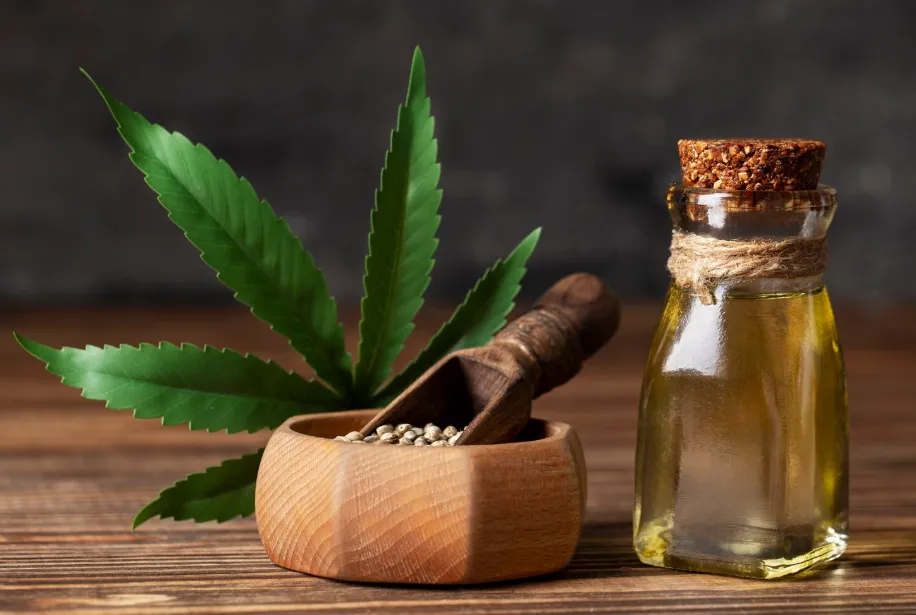
The legalization of hemp in the United States has transformed the agricultural, wellness, and manufacturing industries. Today, hemp is used to produce everything from textiles and food products to hemp-derived cannabinoids and sustainable building materials.
However, despite federal legalization, hemp laws can still vary from state to state. This often leads consumers, businesses, and farmers to ask an important question: Is hemp legal in the United States? As interest in hemp-derived products continues to grow, retailers such as Alt Super Store provide consumers with access to a wide range of hemp-based options, making it even more important to understand the laws that govern these products.
The short answer is yes—but there are important details you should understand regarding federal regulations, state laws, hemp-derived products, and cultivation requirements.
In this state-by-state guide, we’ll explain the current legal status of hemp in the U.S. and what consumers should know before purchasing or using hemp products.
What Is Hemp?
Under federal law, hemp is defined as the plant Cannabis sativa L. and its derivatives containing no more than 0.3% Delta-9 THC on a dry-weight basis. This legal definition was established by the 2018 Farm Bill and remains the foundation of hemp regulation in the United States.
Unlike marijuana, hemp contains only trace amounts of Delta-9 THC and is primarily cultivated for:
- Hemp fiber
- Hemp seeds
- Hemp oil
- Hemp flower
- Cannabinoid extraction
- Industrial applications
- Sustainable manufacturing materials
Is Hemp Federally Legal?
Yes.
The Agriculture Improvement Act of 2018, commonly known as the 2018 Farm Bill, removed hemp from the federal list of controlled substances and legalized hemp production nationwide under specific regulatory requirements.
The legislation also directed the U.S. Department of Agriculture (USDA) to establish a regulatory framework for hemp production across the country.
As a result:
- Hemp is federally legal.
- Licensed hemp cultivation is permitted.
- Interstate transportation of compliant hemp is generally allowed.
- Hemp-derived products can be sold subject to applicable federal and state regulations.
The Difference Between Federal and State Hemp Laws
While hemp is federally legal, states maintain authority to regulate hemp production and certain hemp-derived products within their borders.
This means:
- States may establish licensing requirements.
- States may regulate hemp processing.
- States may regulate retail sales.
- States may impose testing standards.
- States may create additional restrictions on specific hemp-derived cannabinoids.
For this reason, hemp laws are not identical across all 50 states.
State-by-State Hemp Legal Status
States With Active Hemp Programs
Most U.S. states currently allow some form of legal hemp cultivation and production under approved state or federal hemp programs. States operate either:
- USDA-approved hemp plans
- State-managed hemp programs
- USDA licensing systems where no state plan exists.
Because regulations frequently change, growers should always consult their state’s agriculture department before planting hemp.
States With Additional Hemp Product Restrictions
Although hemp itself is federally legal, some states have adopted additional rules regarding:
- Hemp-derived THC products
- Delta-8 THC products
- Delta-10 THC products
- Intoxicating hemp cannabinoids
- Edibles and beverages containing hemp-derived compounds
As a result, products legal in one state may face restrictions in another.
Is Hemp Flower Legal?
In many states, hemp flower containing no more than 0.3% Delta-9 THC is legal under federal hemp regulations.
However, hemp flower remains one of the most heavily regulated hemp products because it closely resembles marijuana.
Typically, to access any products containing more than 0.3% of THC, you would need a valid Texas marijuana card.
Some states have adopted specific rules regarding:
- Possession
- Transportation
- Retail sales
- Testing requirements
- Packaging requirements
Consumers should verify current state regulations before purchasing hemp flower products.
Is CBD Legal?
CBD derived from hemp is generally legal under federal law when sourced from compliant hemp plants. The 2018 Farm Bill removed hemp and hemp-derived cannabinoids containing no more than 0.3% Delta-9 THC from the Controlled Substances Act. As a result, consumers can legally access a variety of hemp-derived CBD products from trusted retailers such as Alt Super Store, subject to applicable state and local regulations.
However, the U.S. Food and Drug Administration (FDA) still regulates products containing CBD when they fall under categories such as:
- Foods
- Dietary supplements
- Drugs
- Cosmetics
FDA requirements continue to apply regardless of hemp’s legal status.
Can You Grow Hemp Legally?
Yes, but hemp cultivation generally requires compliance with state or federal licensing requirements.
Individuals interested in growing hemp typically must:
- Obtain required licenses
- Follow testing protocols
- Meet THC compliance standards
- Submit crop reports when required
Licensing requirements vary by jurisdiction. The USDA maintains approved hemp production programs and licensing information for growers.
Can Hemp Be Transported Across State Lines?
Federal law generally protects the interstate transportation of legally produced hemp.
However, businesses should maintain:
- Certificates of analysis (COAs)
- Testing documentation
- Shipping records
- Compliance paperwork
Proper documentation can help demonstrate that products meet federal hemp standards.
Why Hemp Laws Continue to Change
The hemp industry is still relatively young compared to many agricultural sectors.
Lawmakers continue to address questions involving:
- Hemp-derived cannabinoids
- Product safety standards
- Testing requirements
- Consumer protection
- Product labeling
- Age restrictions
As a result, state-level regulations continue to evolve.
Frequently Asked Questions
Is Hemp Legal in All 50 States?
Hemp is federally legal, but individual states may regulate hemp production and hemp-derived products differently. Always review current state laws before purchasing or cultivating hemp.
What Makes Hemp Legal?
Federal law defines hemp as cannabis containing no more than 0.3% Delta-9 THC on a dry-weight basis. Hemp meeting this definition is not classified as marijuana under federal law.
Is Hemp the Same as Marijuana?
No. The primary legal distinction is THC content. Hemp contains no more than 0.3% Delta-9 THC, while marijuana contains higher levels.
Can You Buy Hemp Online?
Many hemp products can be purchased online where permitted by federal and state regulations. However, product availability varies based on local laws.
Final Thoughts
Hemp is federally legal in the United States thanks to the 2018 Farm Bill, which removed compliant hemp from the Controlled Substances Act and established a national framework for hemp production. However, state regulations continue to play a major role in determining how hemp is cultivated, processed, sold, and consumed.
For consumers and businesses, the key takeaway is simple: hemp is legal at the federal level, but state-specific rules can vary significantly. Staying informed about local regulations is essential for anyone involved in the hemp industry or purchasing hemp-derived products.
As the hemp market continues to mature, regulatory clarity is expected to improve, creating new opportunities for farmers, manufacturers, retailers, and consumers across the United States.